Accessory Dwelling Units (ADUs)
Are you interested in downsizing and/or renting your home as a source of income? An Accessory Dwelling Unit (ADU) may be right for you.
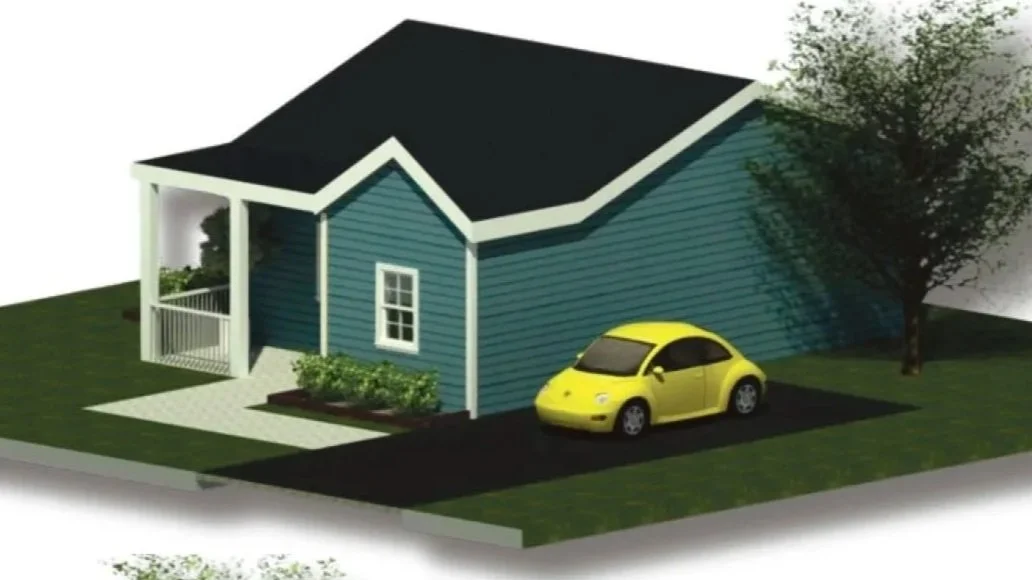
An accessory dwelling unit is a small residential living space located on the same lot as another home. ADUs can play a significant role in our housing crisis. The new Massachusetts ADU law allows property owners to build an ADU by-right. ADUs can be inside an existing home, like converting a basement into an apartment, attached to a primary residence as an addition, or completely detached, like a cottage or converted garage in a backyard.
Building an ADU is no easy task—we help make it easier! Here are some steps you can take to move your project forward.
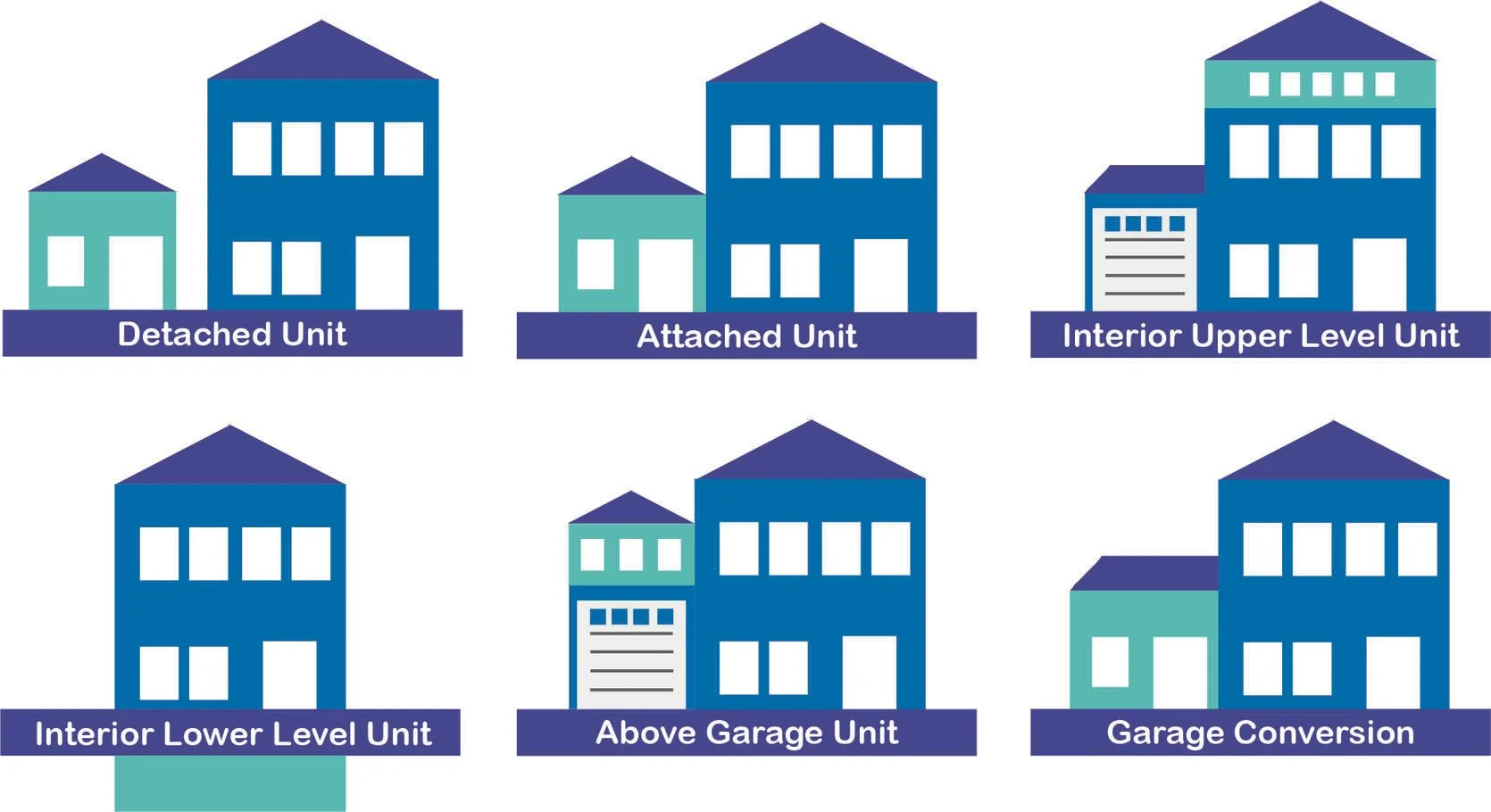
Step 1: Decide which type of ADU is best for you.
Detached standalone units have gotten lots of well-deserved attention recently with beautifully designed plans having been made available, but often the most feasible ADU is the one you build inside your home. A first floor renovation, attic or basement buildout, or garage conversion—all are good options if you have some extra square footage in your home that could be put to better use.
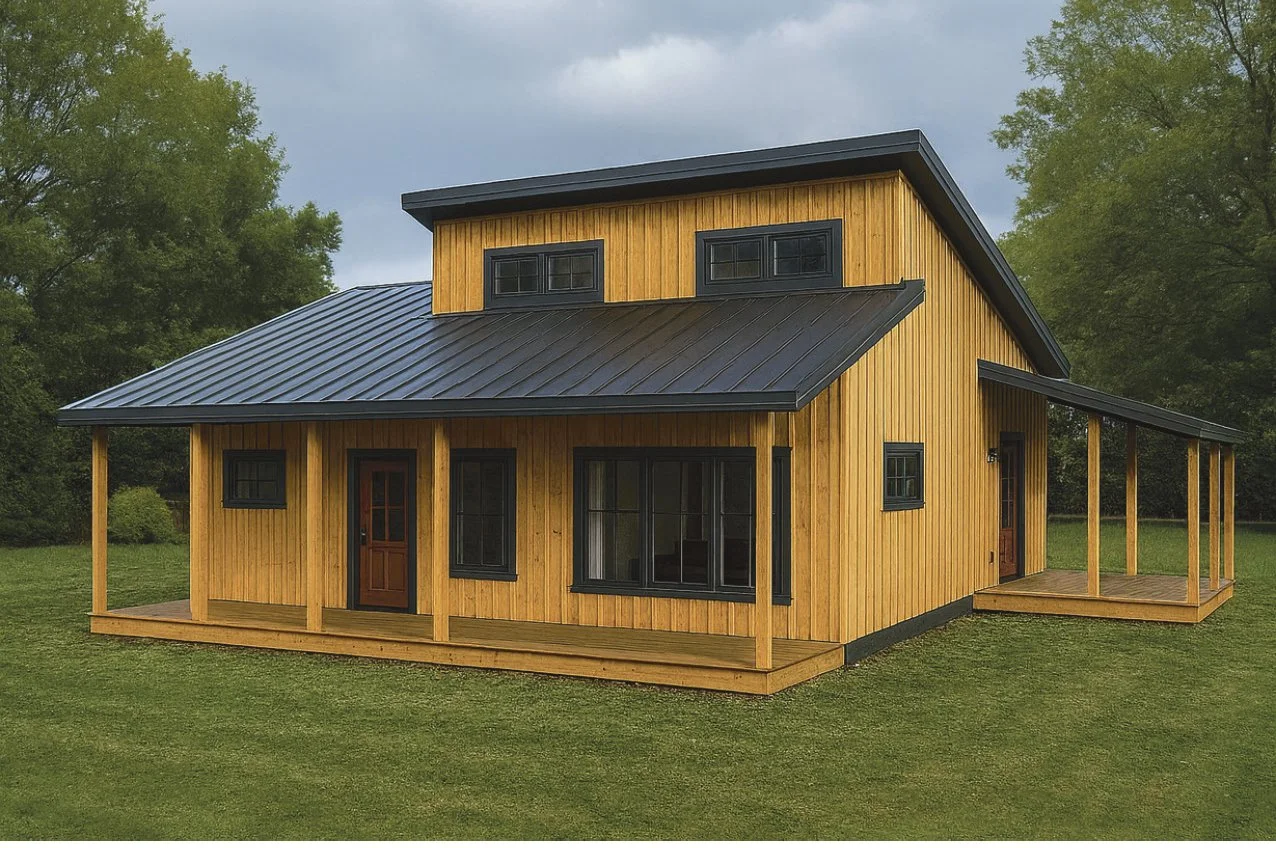
Step 2: Select a plan.
If you’ve decided that a standalone detached unit is for you, there’s good news—lots of free plans are now available! Here are the winning submissions from the North Adams Partnership's Small & Smart design challenge; and here are the newly released free plans made available through the state's ADU design challenge. These concept plans allow you to skip the step (and the cost) of hiring a contractor to develop concept plans; any of these plans can be turned into permit and construction documents by a builder.
Step 3: Talk to your planning board.
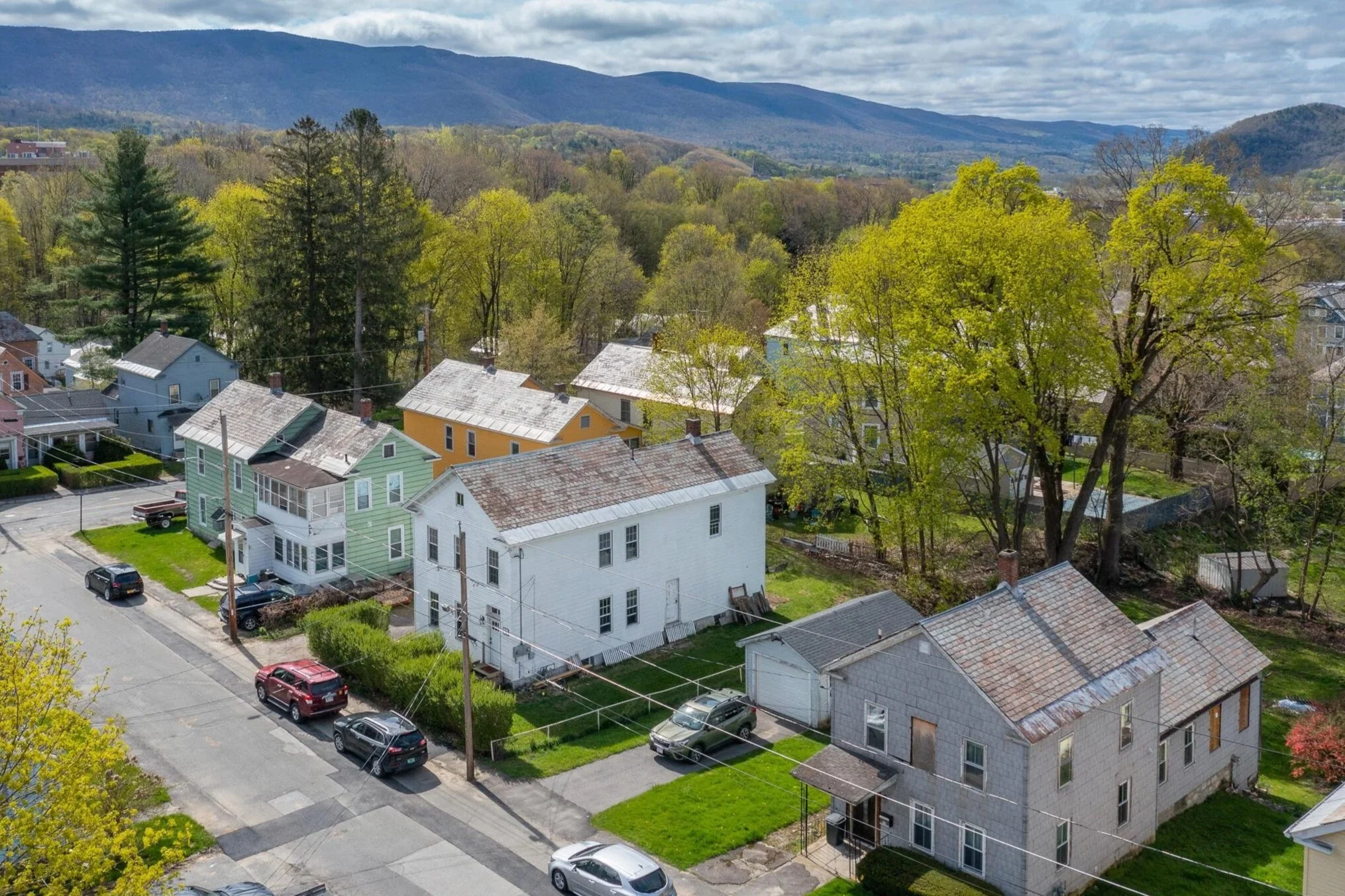
The best place to start is with your local planning board. They will be able to provide site-specific guidance for how an ADU fits on your lot and what local ordinances apply—including whether your property falls in a historic district, flood zone, wetland buffer, or overlay district, which can add time and cost. If your property has a private well or septic system, you will also need to hire professionals to assess capacity, as state health codes apply regardless of ADU law.
Step 4: Find a contractor.
Next you will need a general contractor to turn your ADU concept plan into permit plans, and give you cost estimates for the job.
Here is a list of Berkshires-based builders.
Additionally, if you are interested in any of the free plans made available earlier this year, you can contact the designer directly.

Step 5: Explore your financing options.
On the financing side, there is more good news: the state of MA has launched an ADU financing program that offers low-interest loans for up to $250,000 to build standalone ADUs. In the Berkshires, Greylock Federal Credit Union is the lending partner, so you have a local bank you can work with. They will help you determine eligibility and walk you through the requirements to apply. Contact Myla Franklin for more information.
Additionally, if you are building an ADU for a family member with a disability or is over 60, you can also apply for the Home Modification Loan Program, which can offer a $50,000 forgivable loan towards ADU construction costs. There is an income requirement for this program, and you will need to submit cost estimates generated by a licensed contractor. Contact BRPC for more information about this program.